Emergency cleaning after water damage or a storm: what to do first
By Kai Ellis · Updated 2026-07-13
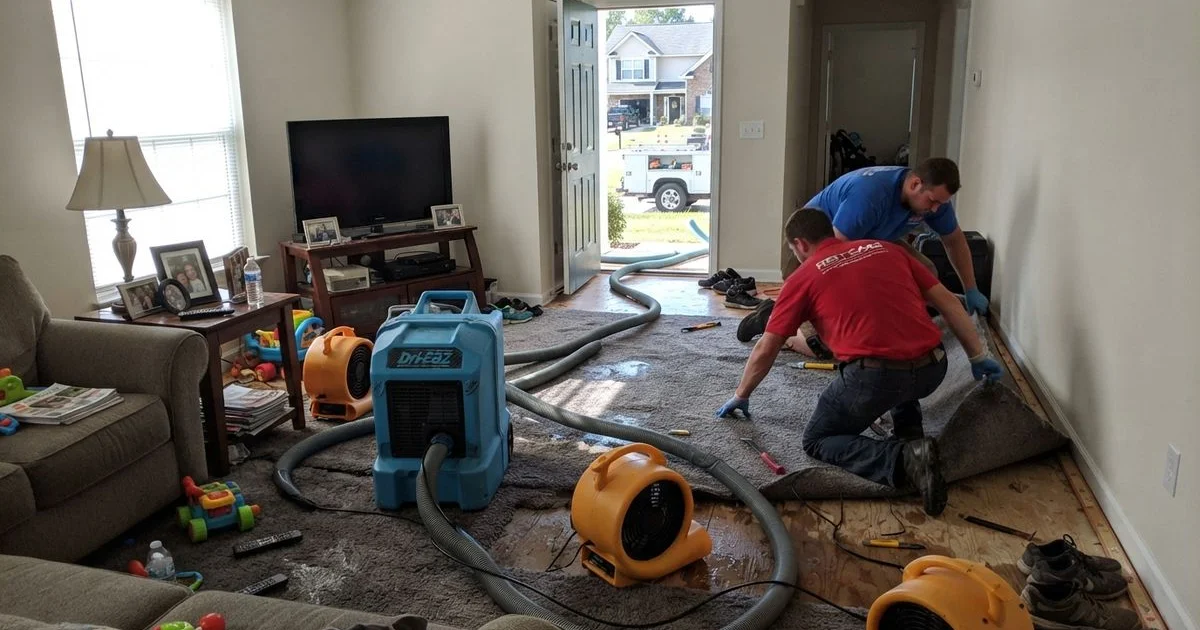
Water damage and storm cleanup are among the few household situations where speed genuinely changes the outcome. What you do in the first hour matters more here than with almost any other cleaning need.
The first steps that matter most
If it is safe to do so, stop the water source, a shut-off valve for a leak, or moving anything you can to a dry area if the source is external, like a storm. Move furniture, electronics, and valuables out of the affected area immediately rather than waiting to assess the full scope first. If the standing water is a small, manageable amount, removing it promptly with towels or a wet vacuum reduces how much moisture has a chance to soak into flooring and walls.
| Time since water damage | What typically happens |
|---|---|
| Within a few hours | Water is still surface-level; fastest window for full drying |
| 24 to 48 hours | Mold growth risk rises significantly in a warm, humid environment |
| Beyond 48 hours untreated | Materials often need replacement rather than drying and cleaning |
Why speed matters so much
Mold growth can begin within 24 to 48 hours in a damp environment, especially in a humid climate like Columbia’s. This is the main reason water damage gets treated with more urgency than most other cleaning situations: the cost and complexity of the cleanup roughly doubles once mold enters the picture, turning what could have been a drying and cleaning job into a remediation job.
Not all water damage is equal
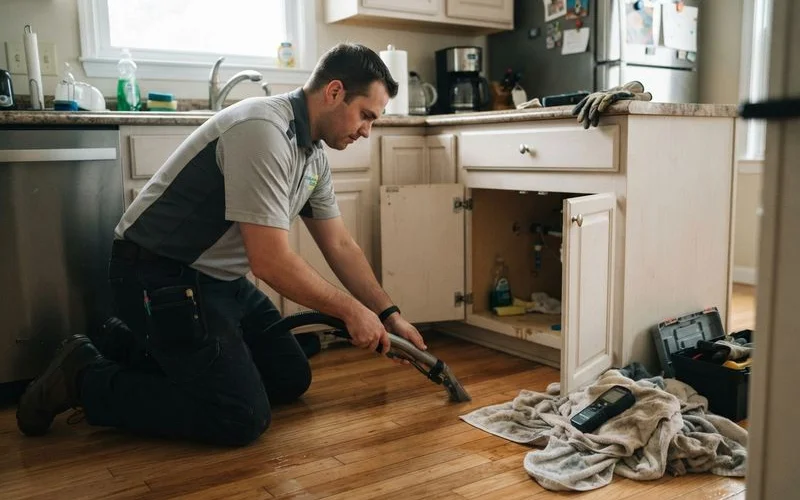
Clean water from a supply line leak is a lower-risk category than water from external flooding or a sewage backup, which can carry contaminants that require more careful handling, protective equipment, and disposal procedures. If there is any possibility the water is contaminated, treat it more cautiously than a simple leak: avoid direct contact, and prioritize calling a professional over handling it yourself.
What you can handle vs when to call for help
A small, contained spill or leak that you catch quickly is reasonable to dry and clean yourself with towels, fans, and a dehumidifier if you have one. Anything involving standing water on flooring, dampness inside drywall, or an area larger than a small localized spot is a different situation. Professional equipment for moisture detection, industrial-strength drying, and thorough extraction is generally far more effective than a household approach, and it catches hidden moisture in wall cavities or under flooring that is easy to miss otherwise.
After a storm specifically
Storm-related water intrusion often comes with additional debris, and sometimes structural concerns if wind or a fallen tree caused the damage. In these cases, a general assessment before cleanup starts is worth doing, since cleaning around a compromised structure without addressing it first can be unsafe. Once repairs are finished, that cleanup can look a lot like post-construction cleanup: dust, debris, and detail work most standard visits are not scoped for. If in doubt about the severity, treat it as a call-for-help situation rather than a do-it-yourself one.
What insurance typically covers
Homeowners insurance often covers sudden, accidental water damage, a burst pipe or an appliance failure, for example, but usually excludes damage from gradual, slow leaks that a homeowner reasonably should have noticed and addressed sooner. Storm-related flooding coverage depends heavily on your specific policy and whether you carry separate flood insurance, since standard homeowners policies frequently exclude flood damage entirely. Documenting the damage with photos before cleanup begins is worth doing regardless of the cause, since it supports any insurance claim you may need to file afterward.
Finding help quickly
When speed matters, look for a company that explicitly offers rapid response, since not every cleaning provider is set up to mobilize on short notice. Ask directly whether they offer same-day service, since a company that has to schedule you into a normal weekly rotation is not the right fit for an active water emergency, even if they do good work under normal circumstances.
This directory’s home page lists Columbia-area companies, and how we rank explains the standards behind those listings, which can help you move quickly when time is the deciding factor.
Common questions
- What should I do in the first hour after discovering water damage?
- Stop the water source if it is safe to do so, move valuables and furniture out of the affected area, and start removing standing water if it is a small amount. For anything beyond a minor leak, call a professional promptly rather than waiting to see if it dries on its own.
- How quickly does mold become a risk after water damage?
- Mold growth can begin within 24 to 48 hours in a damp, humid environment, which is part of why speed matters more with water damage than with most other household cleaning situations.
- Is all water damage the same severity?
- No. Clean water from a supply line is a lower-risk category than water from flooding or sewage backup, which can carry contaminants and requires more careful handling and disposal.
- Should I try to dry everything myself before calling for help?
- For a small, contained spill, yes, drying it quickly yourself is reasonable. For anything involving flooring, drywall, or a larger area, professional equipment for moisture detection and drying is usually more effective than fans and towels alone.