
Mold and mildew: when regular cleaning is not enough
By Kai Ellis · Updated 2026-07-04
This is general information, not medical or remediation advice. If mold exposure is a health concern for someone in your household, or you suspect a larger hidden problem, consult a physician or a licensed mold remediation professional.
A little mildew on a shower curtain is a cleaning problem. Mold spreading through drywall behind a leaking pipe is a different kind of problem entirely, and telling the two apart early saves both money and hassle.
Surface mildew vs a deeper mold problem
Mildew is generally a surface-level fungus, gray, white, or slightly yellow, with a powdery or fluffy texture, commonly found in damp spots like grout lines, shower curtains, and window sills. It typically responds well to regular cleaning with the right products and does not usually indicate a structural moisture issue beyond normal bathroom humidity.
Mold is different in a few important ways. It tends to be darker, often black or dark green, and it can grow into porous materials like drywall, wood, and insulation rather than just sitting on the surface. Mold growing on a wall, ceiling, or in a crawl space, especially anything covering more than a small patch, points toward an ongoing moisture source that cleaning alone will not resolve.
| Sign | Points toward mildew | Points toward mold problem |
|---|---|---|
| Location | Shower tile, grout, window sills | Drywall, wood framing, crawl spaces, ceilings |
| Color and texture | Gray or white, powdery | Dark, sometimes fuzzy, can be widespread |
| Size | Small, localized | Larger patches or spreading |
| Recurs after cleaning | Occasionally, with normal humidity | Consistently, until the moisture source is fixed |
What cleaning can and cannot fix
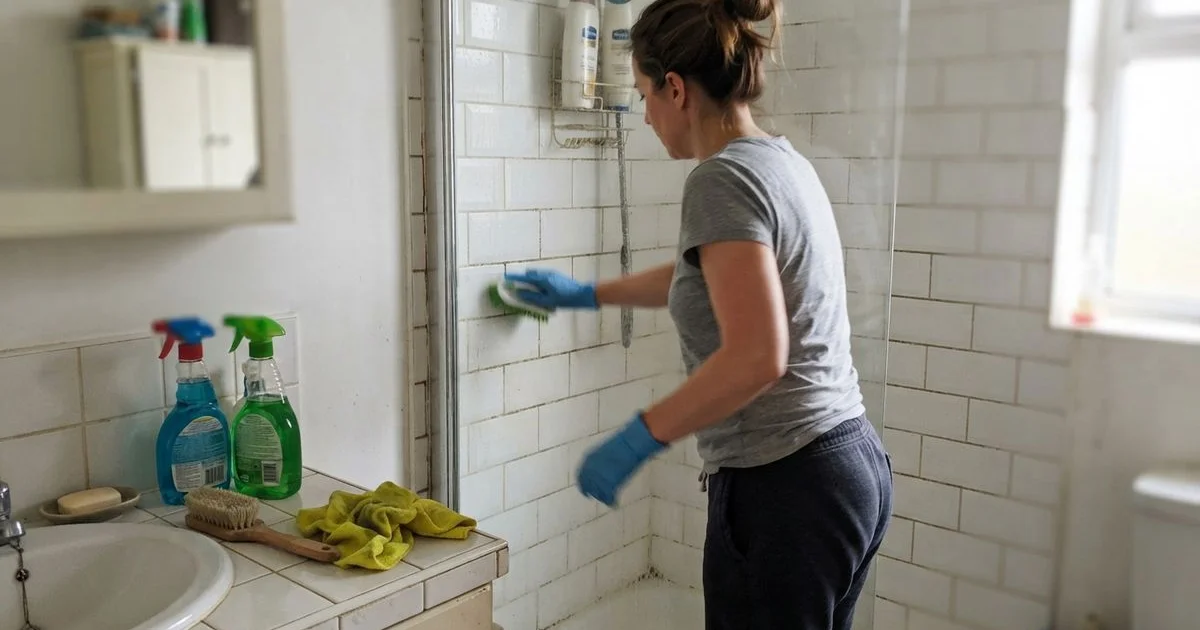
Regular cleaning handles most mildew fine: a bathroom cleaner or a mild bleach solution on tile and grout, combined with better ventilation, usually keeps it from coming back. What cleaning cannot fix is the underlying cause of a mold problem. Scrubbing visible mold on drywall or wood without addressing a leak, poor ventilation, or high humidity in a crawl space almost always means it returns, sometimes within weeks.
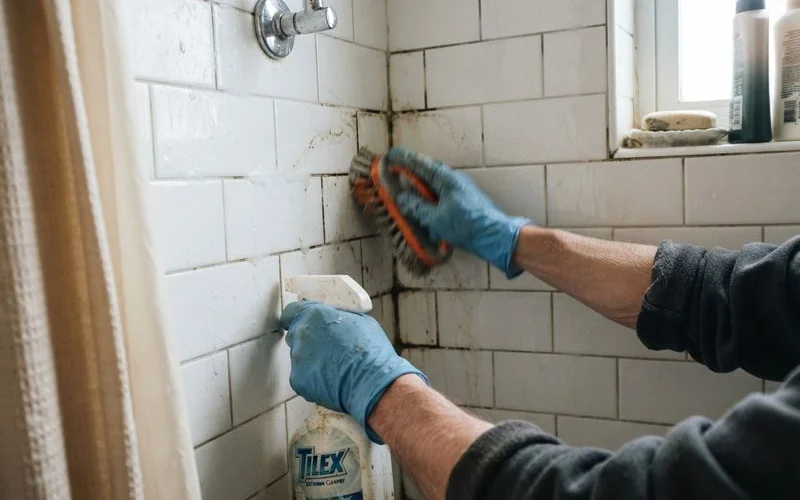
There is also a safety consideration. Disturbing a larger mold colony, especially on a porous surface, can release spores into the air, which is one reason cleaning professionals generally recommend a specialist for anything beyond a small, contained patch on a non-porous surface.
Why this shows up more in Columbia
Columbia’s climate runs humid for much of the year, and that humidity is the single biggest driver of mold and mildew growth in local homes. Bathrooms without adequate exhaust fans, crawl spaces without proper vapor barriers, and windows prone to condensation are all more likely to develop recurring issues here than in a drier climate. Regular ventilation and moisture control matter more in this region than the cleaning products used.
When to call a specialist instead of a cleaner
If mold covers an area larger than roughly a few square feet, appears on porous materials like drywall or wood, or keeps coming back after cleaning, it is time to bring in a mold remediation specialist rather than relying on standard cleaning. A remediation professional identifies and addresses the moisture source, not just the visible growth, which is the difference between a fix and a recurring cycle.
Preventing recurrence in the first place
Consistent bathroom and kitchen ventilation, running exhaust fans during and after showers or cooking, does more to prevent mildew than any specific cleaning product. In crawl spaces, a properly installed vapor barrier keeps ground moisture from working its way into the home, which matters more in Columbia’s humid climate than in drier regions. Checking window seals for condensation buildup periodically, especially going into the more humid months, catches small issues before they become recurring cleaning problems.
A dehumidifier in consistently damp spaces, a basement or an interior bathroom without a window, is a worthwhile investment for households that notice recurring mildew despite regular cleaning. Keeping indoor humidity below roughly 50 percent makes conditions far less hospitable for mold and mildew to take hold in the first place, which is generally more effective long-term than repeatedly cleaning the same spot after it reappears.
For routine mildew maintenance and general home cleaning, this directory’s home page lists companies serving Columbia, and how we rank explains the standards used to evaluate them.
Common questions
- What is the difference between mold and mildew?
- Mildew is typically a surface-level fungus, often gray or white and powdery, that grows in damp areas like shower tile or window sills. Mold tends to be darker, can grow into porous materials like drywall or wood, and is more likely to indicate a deeper moisture problem.
- Can I just clean mold myself?
- Small surface patches on non-porous surfaces like tile or glass are usually manageable with regular cleaning. Mold on porous materials, or covering an area larger than roughly a few square feet, is generally a job for a specialist since scrubbing it can release spores without solving the underlying moisture source.
- What causes recurring mold or mildew in a home?
- An ongoing moisture source almost always explains recurring growth: a slow leak, poor bathroom ventilation, humidity in a crawl space, or condensation around windows. Cleaning the visible growth without fixing the moisture source usually means it comes back.
- Does South Carolina's humidity make this worse?
- Yes. Columbia's humid climate for much of the year creates conditions that make mold and mildew more likely to develop and recur than in drier regions, which is part of why ongoing ventilation and moisture control matter more here than in some other places.