
South Carolina security deposit law: what landlords can deduct for cleaning
By Kai Ellis · Updated 2026-06-22
This is general information, not legal advice. Security deposit disputes can turn on specific facts and lease language, so treat this as a starting point, not a substitute for reviewing your own lease or consulting an attorney if a dispute escalates.
Move-out cleaning and security deposits sit right next to each other in most tenants’ minds, but South Carolina law draws a sharper line between the two than people expect. This directory’s home page lists cleaning companies across the Columbia area if you decide hiring help is worth it before you hand back the keys.
The core rule: wear and tear vs damage
South Carolina’s Residential Landlord and Tenant Act allows landlords to deduct from a security deposit for damage beyond normal wear and tear, unpaid rent, or breach of lease terms. It does not allow a landlord to charge a flat cleaning fee simply because a tenant lived in the unit. A carpet that looks worn after three years of normal use is wear and tear. A carpet with pet stains soaked into the pad, or one requiring replacement due to neglect, crosses into damage territory.
| Situation | Typically wear and tear | Typically deductible damage |
|---|---|---|
| Faded paint from sunlight over years | Yes | No |
| Light dust or surface grime | Yes | No |
| Deep-set pet stains or odor in carpet | No | Yes |
| Holes in walls beyond small nail holes | No | Yes |
| Heavily soiled oven or stovetop left uncleaned | Debated, often deductible if excessive | Sometimes |
What landlords are required to do
A landlord has 30 days from the later of the lease end date or the move-out date to return the deposit or provide an itemized list of deductions. If deductions are claimed, they need to be specific, not a vague lump sum. A statement that just says “cleaning fee” without a breakdown of what was actually needed and why is weaker ground for a landlord to stand on if a tenant challenges it.
How tenants can protect their deposit
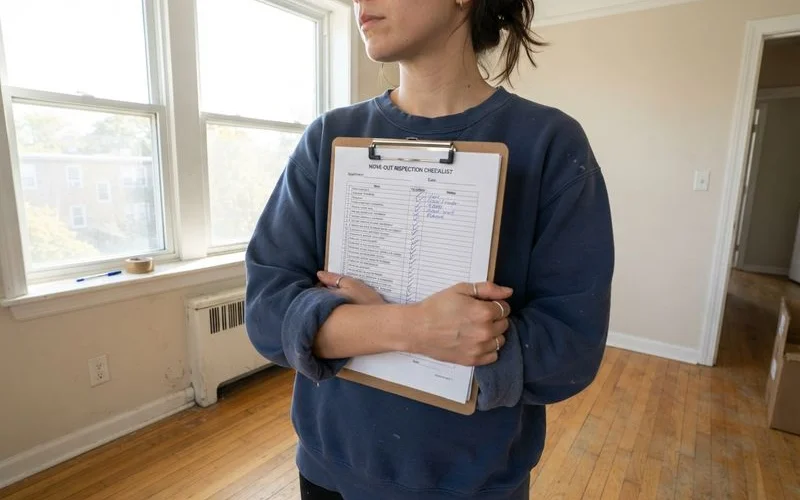
The single most effective step is documentation before you move, not after. Photograph every room, including inside cabinets, appliances, and closets, on move-in and again right before you hand back the keys. This creates a clear before-and-after record that removes most of the ambiguity a dispute would otherwise turn on.
Doing a genuine cleaning pass before move-out, not just tidying visible surfaces, closes off the most common deduction landlords attempt: pointing to visible grime as justification for a cleaning charge. A thorough move-out clean, the kind move-in/move-out cleaning companies in Columbia specialize in, covers exactly the areas landlords scrutinize most: inside appliances, cabinet interiors, and baseboards.
If a deposit is wrongfully withheld
Start with a written request for an itemized statement if the landlord has not provided one. If the deductions still look unjustified after that, South Carolina allows tenants to pursue the return of the deposit in magistrate’s court, and the law permits recovering up to three times the wrongfully withheld amount in some cases, along with costs. This remedy exists specifically because vague or padded cleaning deductions have been common enough to warrant a real penalty.
What landlords should keep in mind too
This cuts both ways. A landlord who wants to make a legitimate deduction for genuine damage is on much firmer ground with dated, itemized documentation and, ideally, photos from both the move-in and move-out inspection. Vague deductions without this kind of record are the ones most likely to be successfully challenged, which means good documentation protects a landlord’s legitimate claims just as much as it protects a tenant from unfair ones.
The bottom line for tenants
A landlord can charge for damage that goes beyond normal wear and tear, not for the simple fact that a unit was lived in. Documenting the unit’s condition on both ends of the lease and doing an honest cleaning pass before handing back the keys are the two moves that put a tenant in the strongest position if a dispute comes up. The same documentation habit matters if you are helping an aging parent downsize out of a rental rather than moving yourself. For move-out cleaning built specifically around protecting your deposit, see move-out cleaning for your security deposit. For the standards this directory uses to evaluate move-out cleaning companies, see how we rank.
Common questions
- Can a landlord deduct for normal cleaning in South Carolina?
- No. South Carolina law allows deductions for damage beyond normal wear and tear, not for routine cleaning of a unit that was lived in normally. A landlord charging a flat cleaning fee regardless of condition is on shaky legal ground.
- How long does a landlord have to return a deposit in South Carolina?
- Landlords must return the deposit, or an itemized list of deductions, within 30 days of the tenant moving out or the lease ending, whichever is later.
- What counts as normal wear and tear versus damage?
- Faded paint, worn carpet from years of foot traffic, and minor scuffs are typically normal wear. Stains that require replacement, pet damage beyond light shedding, or heavy grime left behind are more likely to be treated as damage.
- What can a tenant do if a deposit is wrongfully withheld?
- Send a written request for an itemized statement if one was not provided, then consider small claims court. South Carolina law allows tenants to recover up to three times the wrongfully withheld amount plus costs in some cases.