
Deep cleaning vs standard cleaning: what is actually different
By Kai Ellis · Updated 2026-06-18
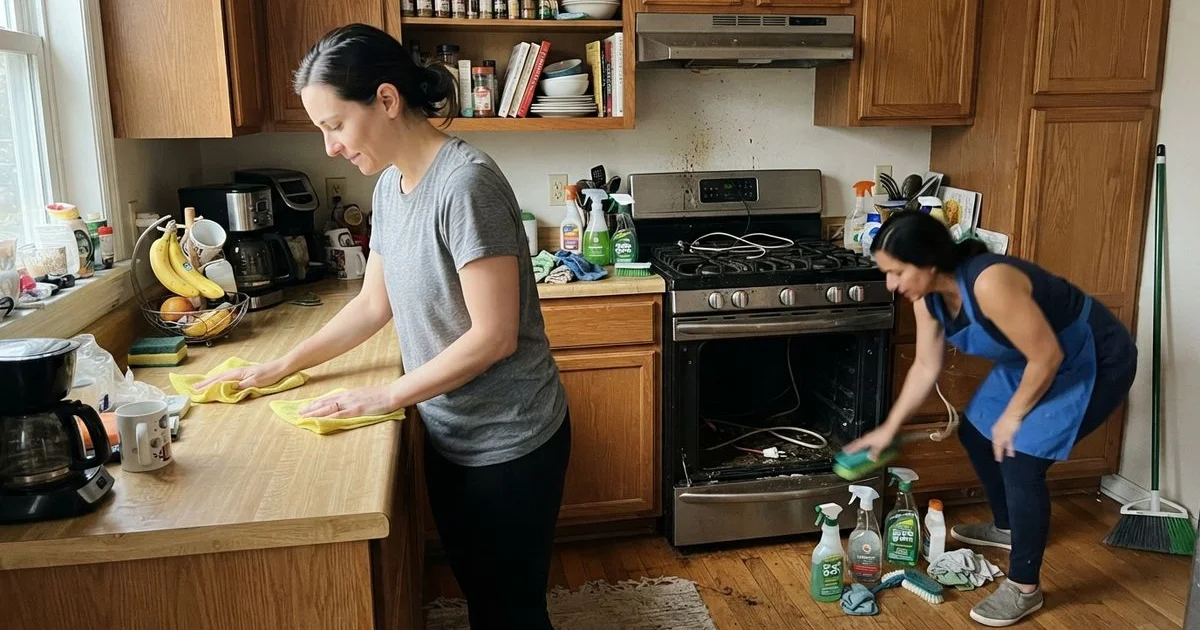
“Deep clean” gets used loosely enough in advertising that it is worth pinning down what it actually means before you pay extra for one. Browsing the full directory of Columbia cleaning companies is a good way to see how differently the term gets used from one listing to the next.
The core difference
A standard clean is maintenance: it assumes the home is already in reasonably good shape and focuses on keeping it that way. Surfaces get wiped, floors get vacuumed or mopped, bathrooms and kitchens get sanitized, trash goes out. A deep clean assumes the opposite, that buildup has accumulated somewhere a standard visit does not reach, and it targets that buildup directly.
| Task | Standard clean | Deep clean |
|---|---|---|
| Counters, floors, bathrooms | Yes | Yes |
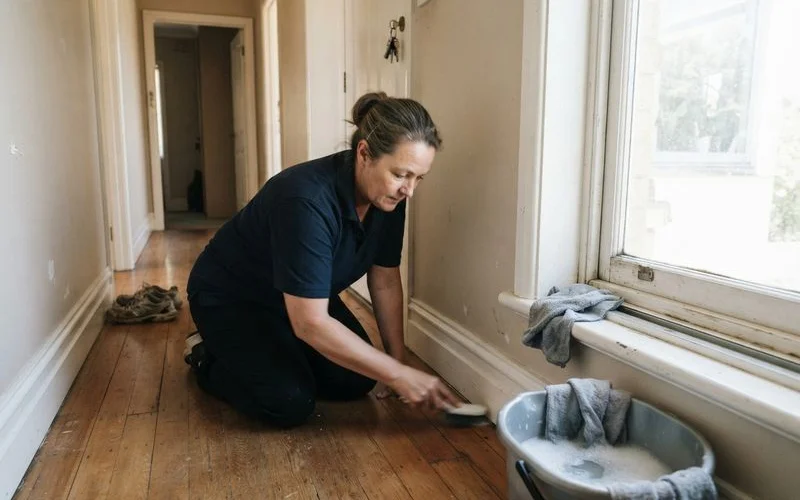
| Baseboards and door frames | No | Yes |
| Inside oven and refrigerator | No | Yes, usually |
| Window tracks and sills | No | Often included |
| Behind and under furniture | No | Yes |
| Grout and tile detail scrubbing | Light | Thorough |
When a standard clean is enough
If your home already gets cleaned regularly, whether by you or a service, and there is no significant buildup hiding in the corners, a standard clean is the right and more affordable choice. Recurring biweekly or weekly service is designed around this assumption: the home never gets far enough from clean to need the deeper pass.
When to pay for the deep version
A few situations call for a deep clean specifically. Starting a new recurring service after months or years without professional cleaning is the most common one, since a standard visit on a home with real buildup will not get through everything in the time allotted, and the crew ends up rushing or leaving things undone. Preparing for a big event, a home sale, or a family visit is another common trigger, since these are moments where the small details, baseboards, window tracks, oven interior, actually get noticed. A newly built or renovated home usually needs something beyond even a deep clean; see what post-construction cleanup involves for that scenario.
Why the price gap is real, not a markup
A deep clean genuinely takes longer, often one and a half to two times as long as a standard visit on the same home, because it covers more surface area per room and sometimes needs more than one pass on heavily soiled spots like an oven interior or grout lines. That is not a premium tacked on for the label; it reflects real additional labor. Companies that quote a deep clean at only a small markup over standard pricing are either scoping it narrower than advertised or underpricing the job, both worth asking about directly.
Starting recurring service on the right foot
Many companies recommend, and some require, a deep clean as the first visit before switching to a recurring schedule. This matters more than it sounds: if week one starts from an already-clean baseline, every visit after that is genuinely maintenance, and the standard rate holds. Skipping this step often means the first few “standard” visits run long or leave the crew rushing to catch up on backlog, which is where a lot of thoroughness complaints originate.
Deep clean vs move-out clean
These two get confused often enough to be worth separating. A deep clean works on a lived-in home and focuses on buildup in high-traffic areas. A move-out clean assumes an empty space and typically goes further, inside every cabinet, closet, and appliance, since the standard there is passing a landlord inspection or handing over keys to a new owner, not just refreshing daily living space.
If you are not sure which one your home needs, companies in the deep cleaning and post-construction category can usually tell from a few questions about how long it has been since the last professional clean, whether the home is occupied or vacant, and what the end goal is, ongoing maintenance, an inspection, or a sale.
A quick way to decide on your own: walk through your home and check the baseboards, the inside of the microwave, and behind the toilet. If any of those look like they have not been touched in months, that is a reasonable signal to book a deep clean rather than a standard one, regardless of how the rest of the home looks on the surface. For the criteria used to rank companies in this directory, see how we rank.
Common questions
- What does a deep clean include that a standard clean does not?
- Baseboards, inside the oven and refrigerator, window tracks, and buildup behind and under furniture are typical deep clean tasks. A standard clean focuses on maintaining a home that is already in reasonably good shape: surfaces, floors, bathrooms, and kitchens.
- How long does a deep clean take compared to a standard clean?
- A deep clean usually takes one and a half to two times as long as a standard clean of the same home, since it covers more surfaces per room and often needs more than one pass on heavily soiled areas.
- Do I need a deep clean before starting recurring service?
- Most companies recommend it, and some require it. Starting a recurring plan with a deep clean means every visit after that is genuinely maintaining a clean baseline instead of playing catch-up.
- Is a deep clean the same as a move-out clean?
- They overlap but are not identical. A move-out clean assumes an empty home and typically goes further inside every cabinet and closet, since the goal is passing an inspection or handing over the keys, not just refreshing a lived-in space.